Brushing
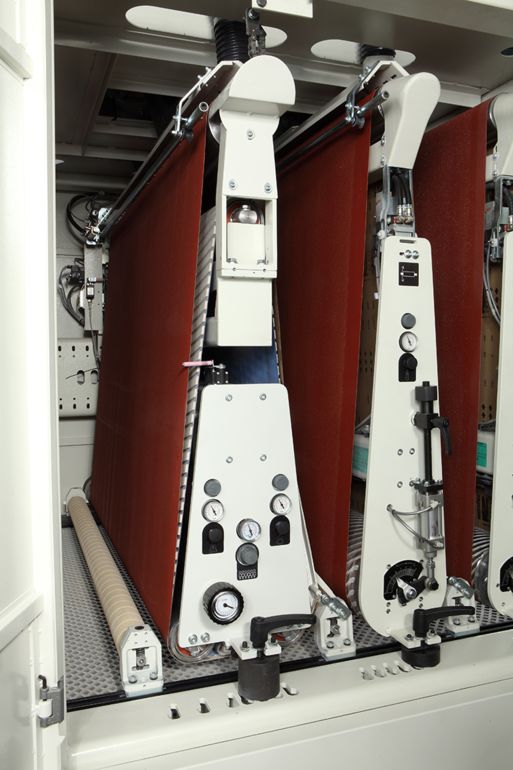
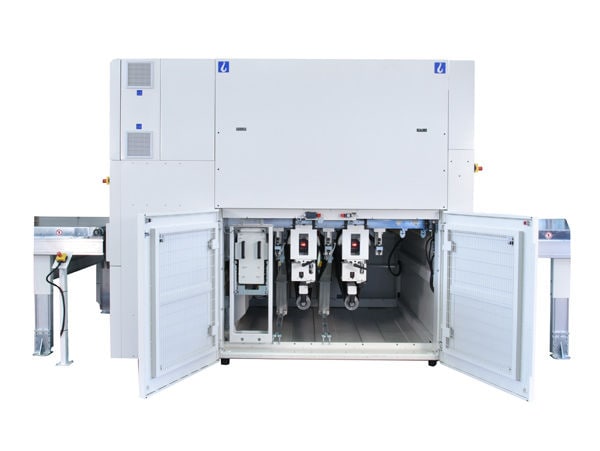
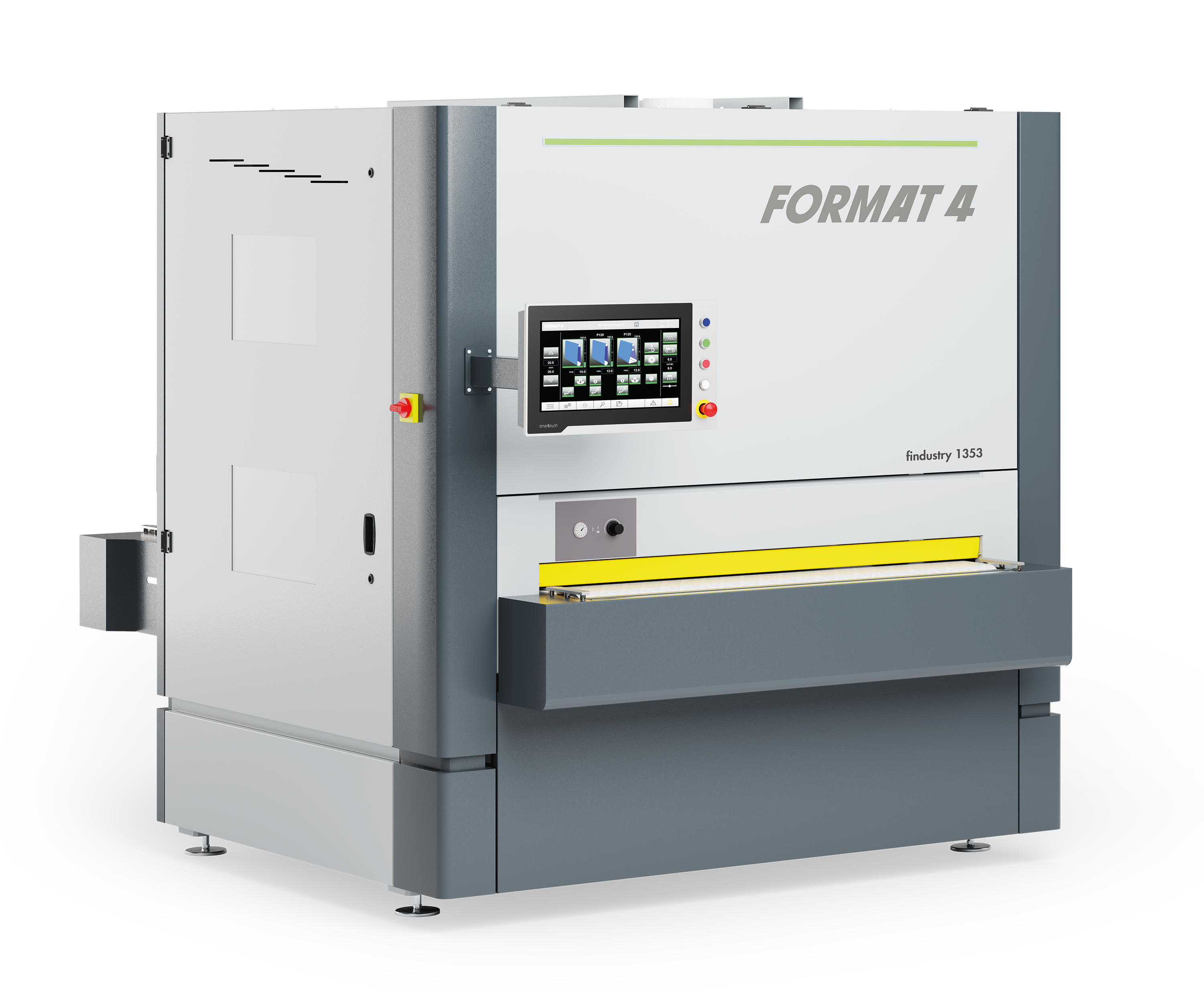
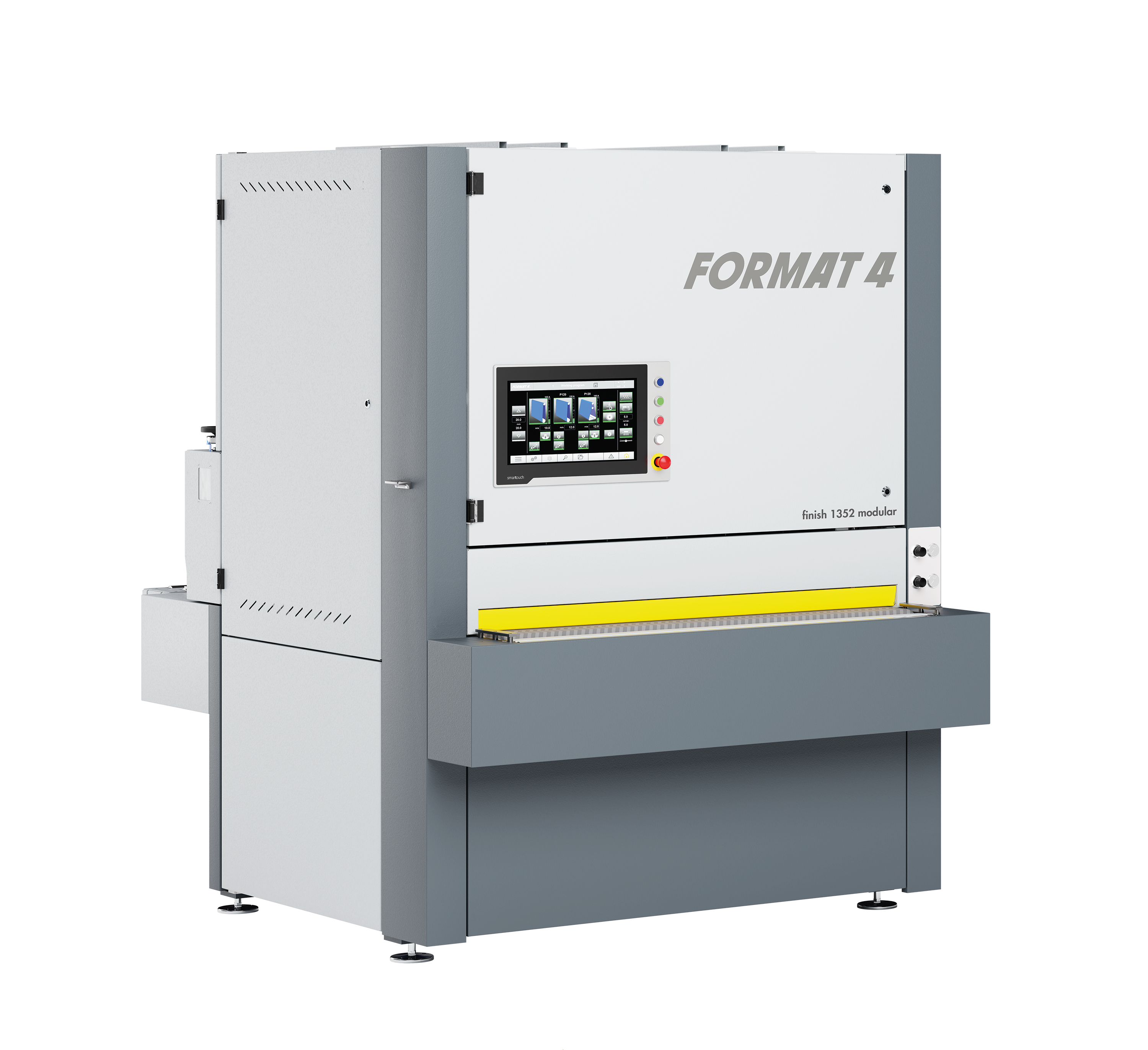
Sarmax brushing machines are designed for sanding, denibbing and structuring applications across multiple woodworking surfaces. These systems deliver professional-grade finishing for parquet, WPC, decking, and timber frame projects.
Sarmax brushing machines are specialized surface preparation and finishing equipment designed to deliver consistent, professional-grade results across multiple woodworking substrates. These systems perform critical operations including sanding, denibbing, and surface structuring—removing dust nibs, raised grain, and surface irregularities while creating uniform texture across parquet, WPC (wood-plastic composite), decking, and engineered wood products. The machines excel in post-coating applications where surface quality directly impacts final product aesthetics and performance. Built for premium applications, Sarmax brushing equipment incorporates brush technology that enables gentle yet effective material removal without the aggressive substrate damage common to abrasive-only processes. This makes the systems particularly valuable for finishing delicate veneers, pre-finished materials, and composite surfaces where traditional sanding risks tearout or substrate compromise. The precision control over brush pressure and rotation speed allows operators to optimize results for varying material densities and coating types, from soft WPC to hardwood parquet. These machines serve medium to industrial-scale operations that require consistent batch processing with minimal material waste and rework. Manufacturers of engineered flooring, composite decking systems, and premium furniture components rely on brushing equipment to achieve the surface uniformity and tactile quality that distinguishes premium products in competitive markets. The systems are equally suited for job-shop environments handling custom finishes and one-off orders where adaptability and precision matter as much as throughput. Compared to conventional drum or orbital sanders, Sarmax brushing systems offer superior control over surface texture creation while reducing dust generation and substrate loading—advantages that translate to lower material costs, faster cycle times, and improved operator safety in finishing departments. The investment in specialized brushing technology typically proves cost-effective in high-volume operations or premium-product workflows where surface quality commands measurable price premiums.