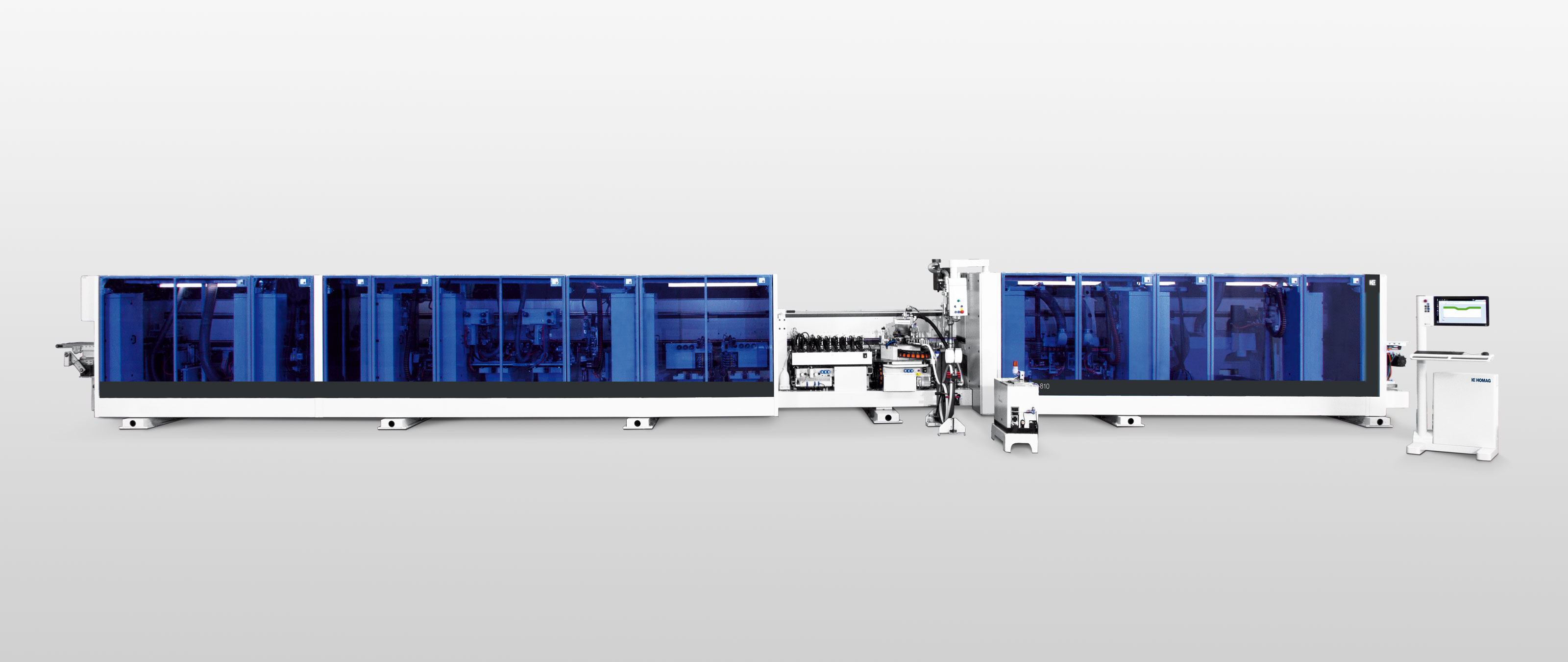
EDGETEQ S-810/CF
CNC-controlled edge banding machine for shaped parts with precise linear drive and contour trimming capabilities. Handles workpiece widths up to 150mm plus contour depth with feed speeds up to 30 m/min.
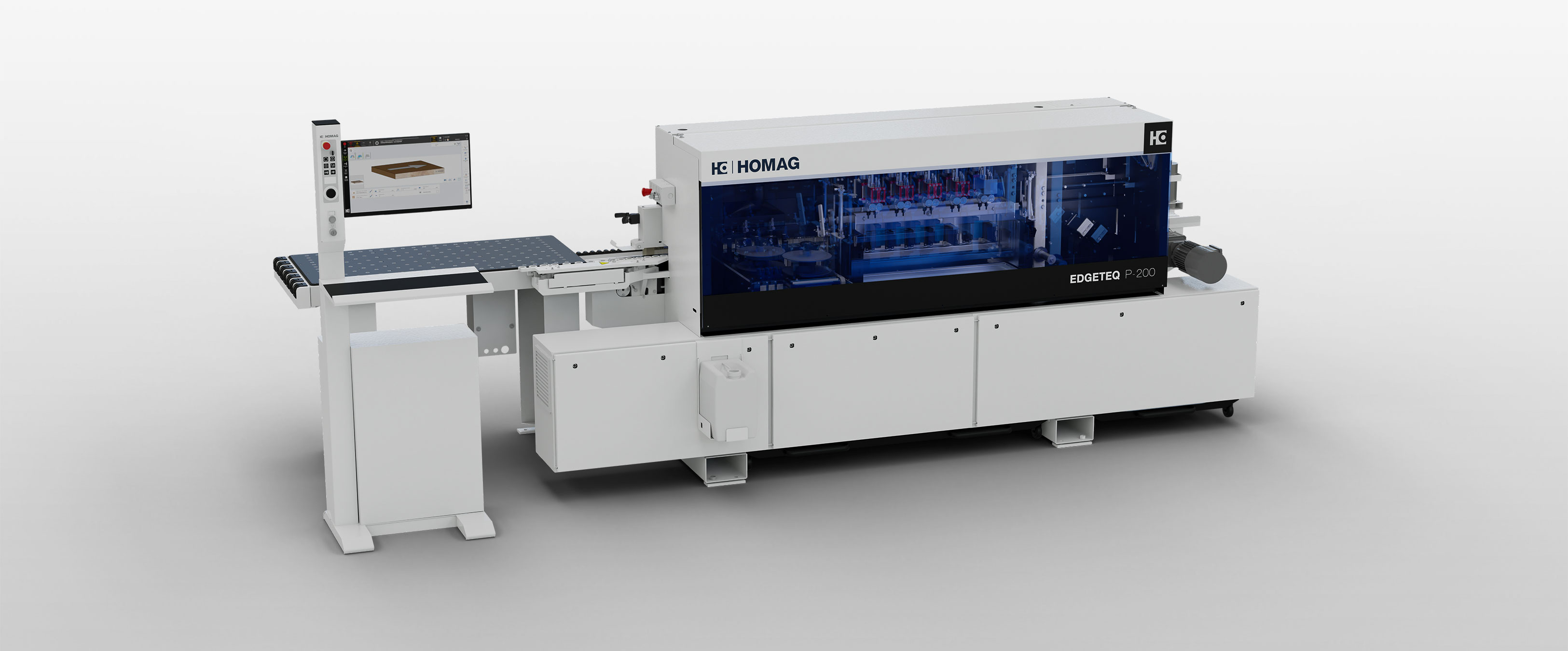
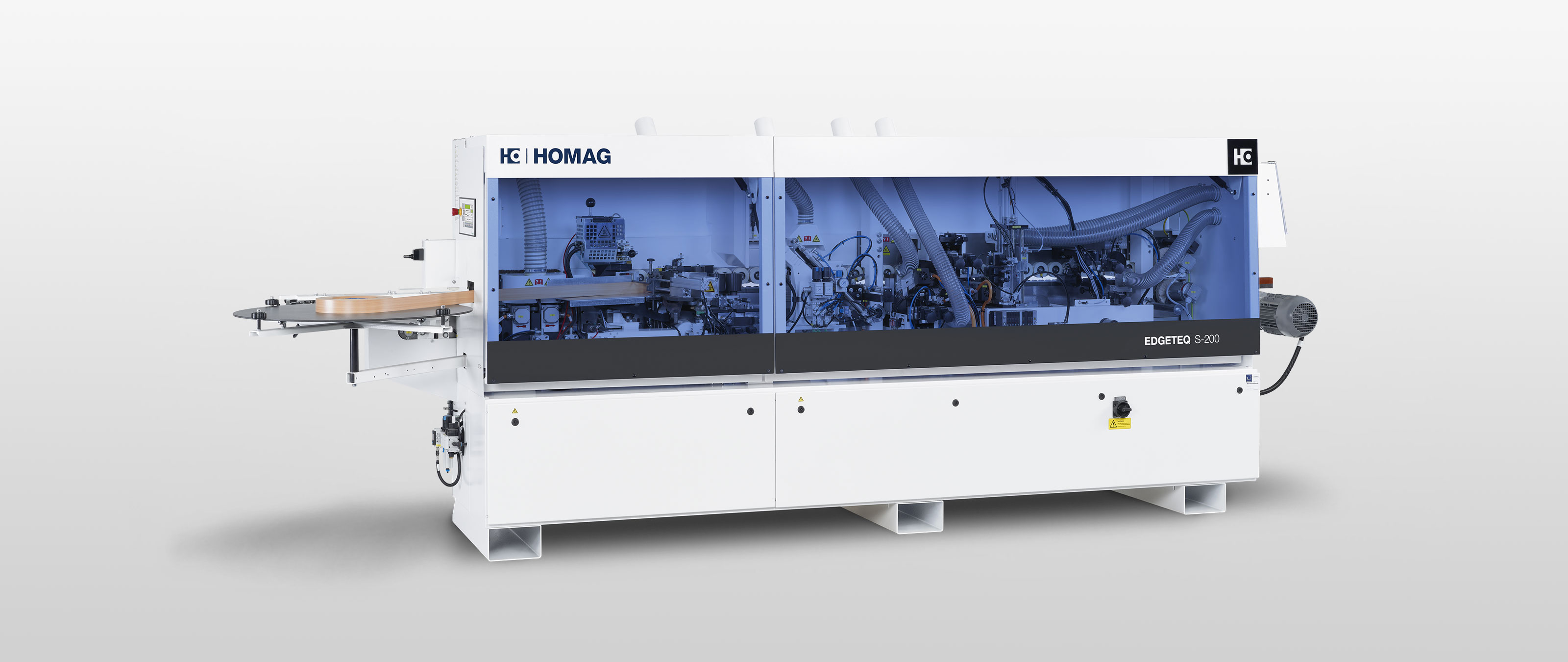
The EDGETEQ S-810/CF is a CNC-controlled edge banding machine engineered specifically for contoured and shaped workpieces, delivering precision edge application to complex part geometries that conventional straight-line edge banders cannot process. This machine combines automated contour tracking with optional undercut trimming to apply plastic or veneer edges to curved, angled, and profiled components with minimal manual intervention. Key technical capabilities include a maximum contour depth of 250 mm (expandable to 400 mm), support for contour inclination angles up to 45°, and a minimum external radius of 20 mm, enabling edge banding on sophisticated part profiles. The linear drive system operates at feed speeds between 6–30 m/min, accommodating both high-speed production runs and precision-critical operations. Machine accepts workpieces up to 150 mm base width plus contour depth, with thickness capacity of 12–40 mm, addressing mid-to-heavy stock materials common in solid wood and engineered panel manufacturing. This system is designed for medium to industrial woodworking operations that require consistent edge finishing on shaped components—curved cabinet sides, contoured door frames, radiused panels, and custom profiled elements. The CNC control system eliminates manual contour following, improving edge quality repeatability and throughput compared to manual or semi-automated alternatives. Undercut capability enables processing of undercut profiles, expanding design possibilities for modern furniture and cabinet design. The S-810/CF occupies a specialized niche within edge banding machinery: it bridges the gap between universal straight-edge machines and fully integrated shape-processing centers. Shops running batch production of medium-complexity contoured parts benefit most from this investment, where part quantities justify capital expenditure but component geometries demand precision automation.
Side by side, on real specs