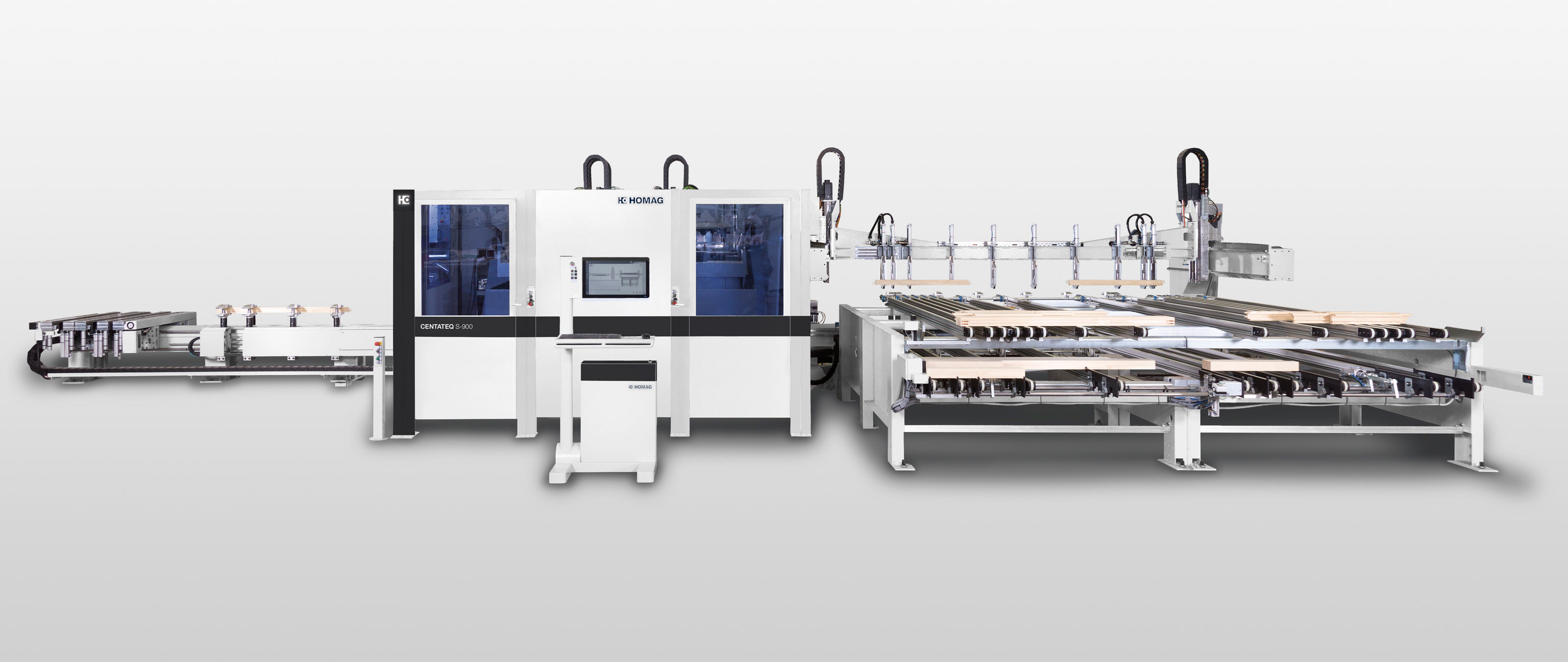
EPICON Series CNC Machining Center
A 5-axis CNC machining center featuring high-power universal capabilities with optimized design for precision woodworking. Combines proven 5-axis technology with a fully interpolating 13 kW spindle and high acceleration cutting rates.
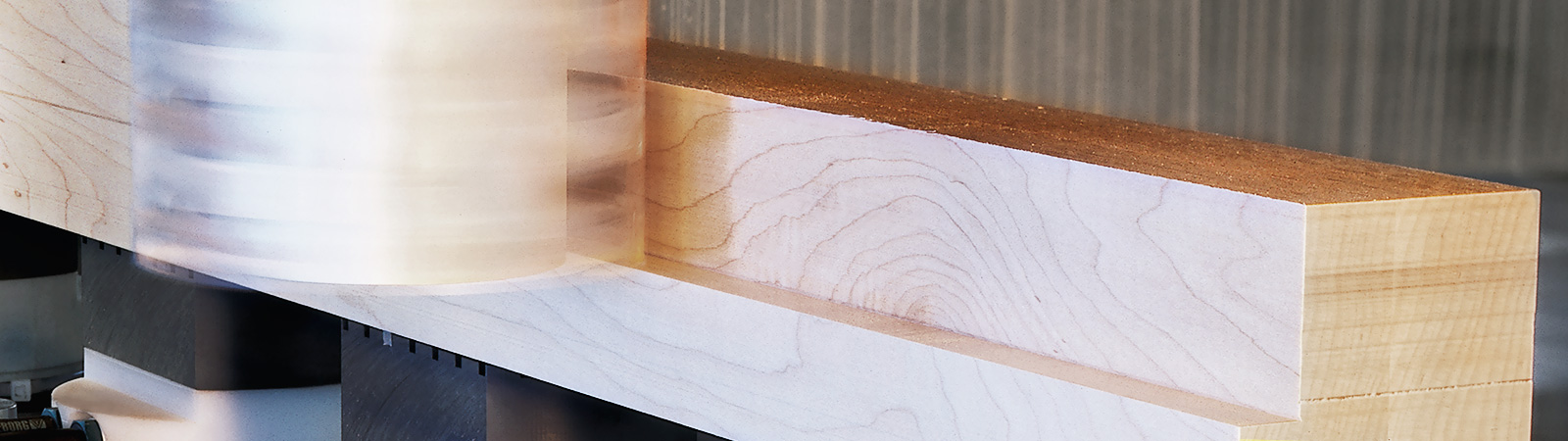
The EPICON Series CNC Machining Center is a 5-axis production system designed for high-precision woodworking operations requiring complex geometries and tight tolerances. It delivers universal machining capabilities across solid wood, engineered panels, and composite materials through a fully interpolating 5-axis spindle configuration paired with a 13 kW power unit, enabling simultaneous multi-axis cutting without tool path interruption. Key technical differentiators include direct servo-drive architecture that eliminates backlash and wear-prone mechanical couplings, coupled with precision linear guide systems that maintain accuracy across extended production runs. The 13 kW fully interpolating spindle enables 5-axis simultaneous machining—critical for complex joinery, sculptural components, and undercut geometry that would require repositioning on conventional 3-axis systems. High acceleration rates and cutting speeds reduce cycle times while the rigid construction maintains surface quality even under sustained cutting loads. This machine suits medium to industrial woodworking operations producing custom millwork, architectural components, high-end furniture frames, and precision cabinet components where production volume justifies the capital investment and operational complexity. It is well-positioned for shops processing 20-100+ complex parts weekly that demand consistency impossible to achieve with manual or 3-axis CNC alternatives. The system handles diverse materials including hardwoods, veneered substrates, and thermoset composites without requiring fundamental reconfiguration. Within the 5-axis CNC segment, the EPICON Series positions between entry-level 3+2 axis systems and full simultaneous 5-axis mills, offering superior capability-to-cost ratio for woodworking applications where the additional complexity of 5-axis interpolation directly translates to reduced setup time and scrap rates.