Minimax LAB 300P
The Minimax LAB 300P is a versatile and compact universal combined machine designed for solid wood processing with advanced technological solutions for precision, reliability and safety.
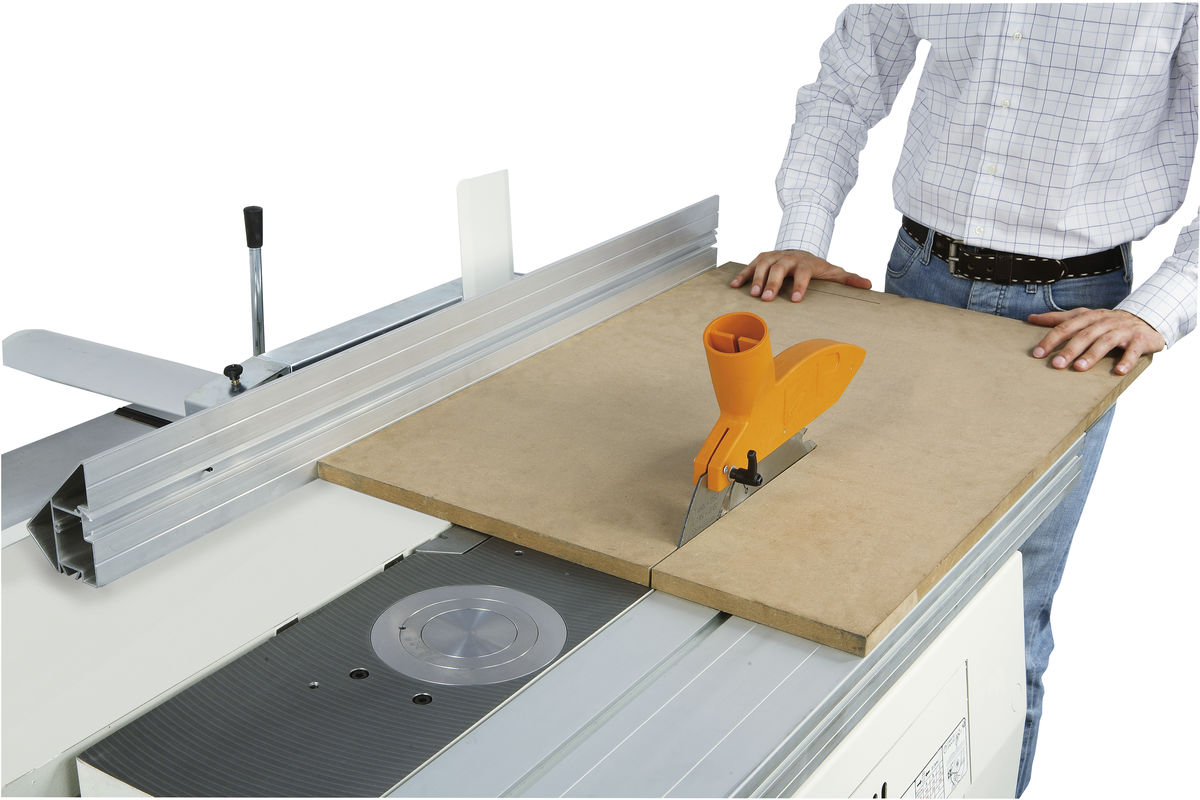
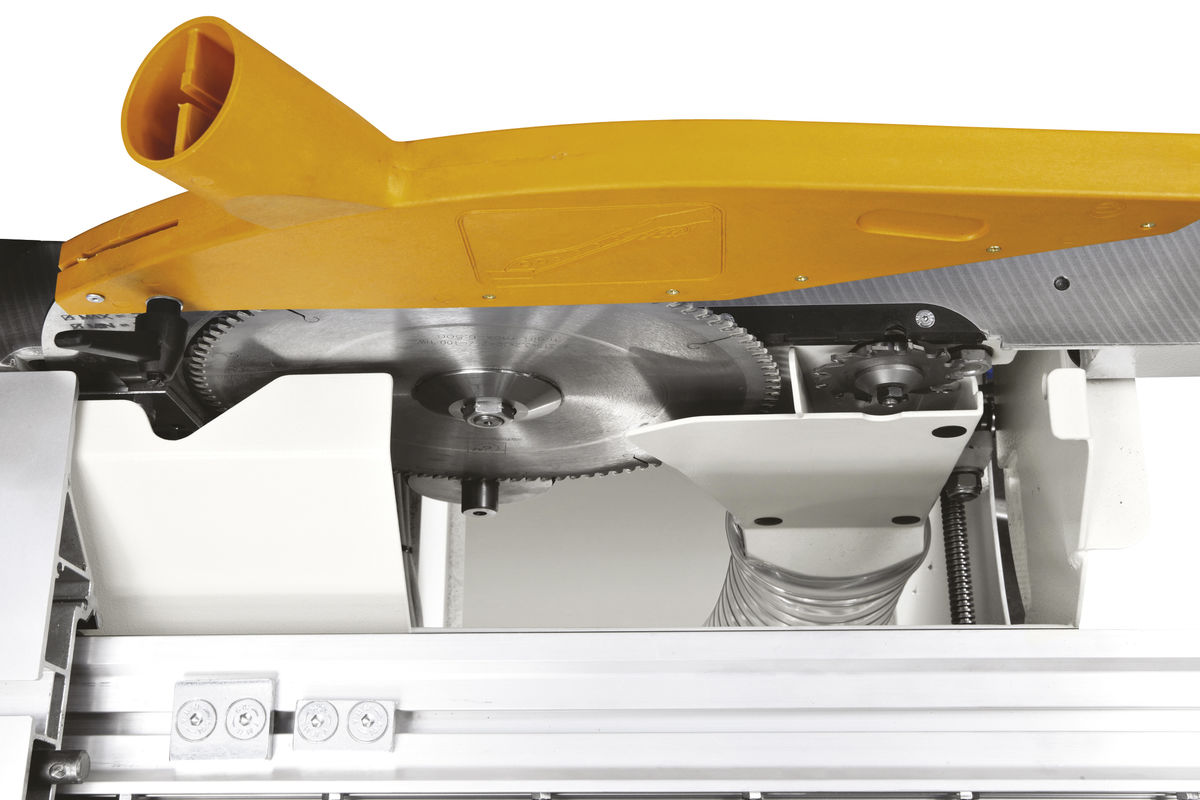
The Minimax LAB 300P is a compact universal combination machine engineered for solid wood processing, integrating jointing, ripping, profiling, and mortising functions within a single footprint. Designed for workshops and small production facilities, it consolidates operations that traditionally require separate machinery, reducing floor space demand while maintaining professional-grade output quality. The machine delivers precision across multiple operations: a 300 mm jointer bed with 1300 mm length accommodates stock preparation; a parallel rip capacity of 800 mm with 315 mm maximum sawblade diameter handles dimensioning tasks; and a spindle moulder system with selectable speeds of 4000, 7000, and 9000 rpm enables profile routing with tools up to 210 mm diameter. The sliding table saw reaches a maximum squaring stroke of 1600 mm, supporting crosscutting and angled cuts. Three single-phase 3.4 HP motors distribute power efficiently across functional units, making the machine suitable for single-phase workshop installations. The LAB 300P targets small to medium woodworking operations processing solid wood stock up to mid-range production volumes. It serves workshops requiring versatility without the capital investment of multiple specialized machines, particularly those handling custom millwork, small-batch furniture, and component production. The 300 mm working width and 1600 mm maximum stroke length position it as a production-capable alternative to bench-top equipment while remaining accessible to jobshop and craft-focused manufacturers. Within the universal combination machine class, the LAB 300P balances functional breadth with practical compactness. Its three-motor configuration and multi-speed spindle accommodate varied material properties and operation requirements, while the 1300 mm jointer bed and 800 mm rip capacity define realistic material limits—suitable for solid wood frame components, decorative profiles, and small structural elements rather than wide-panel processing.
Side by side, on real specs