Series Finger Joint Technology
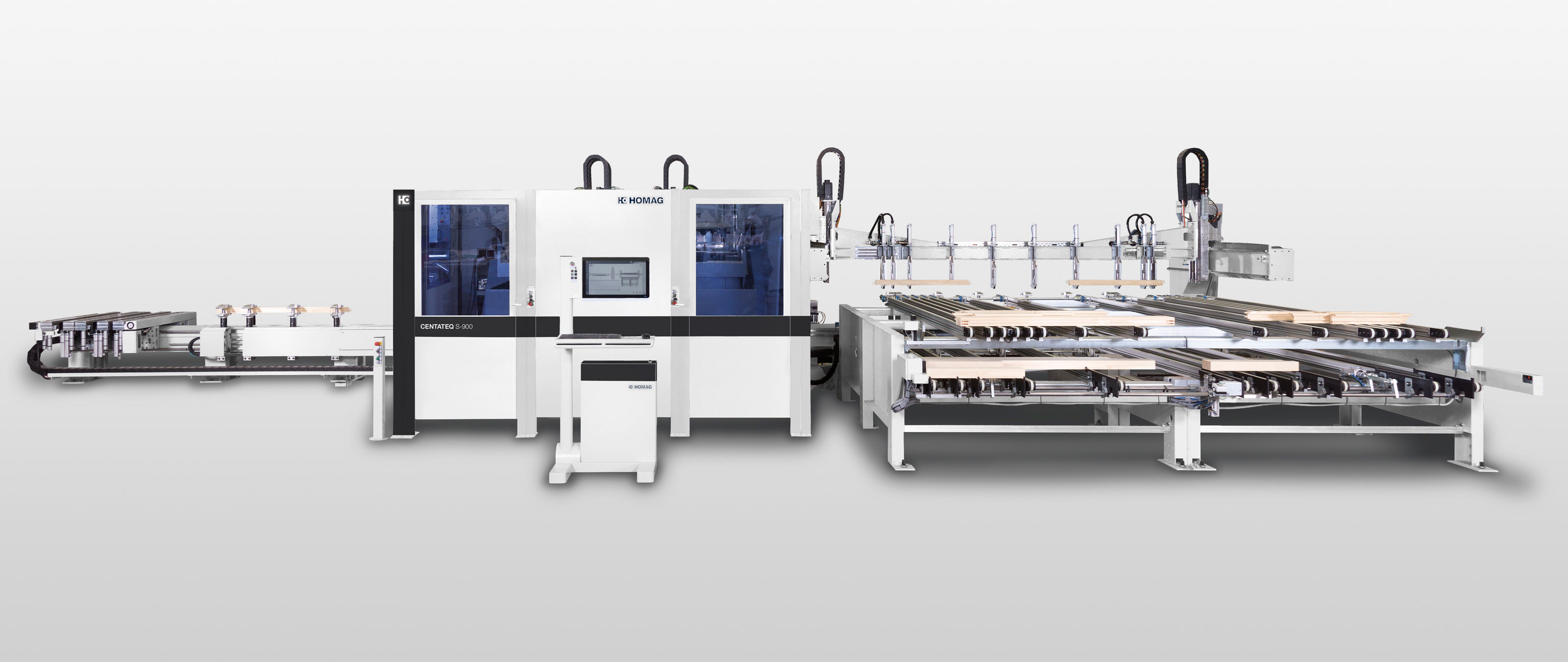
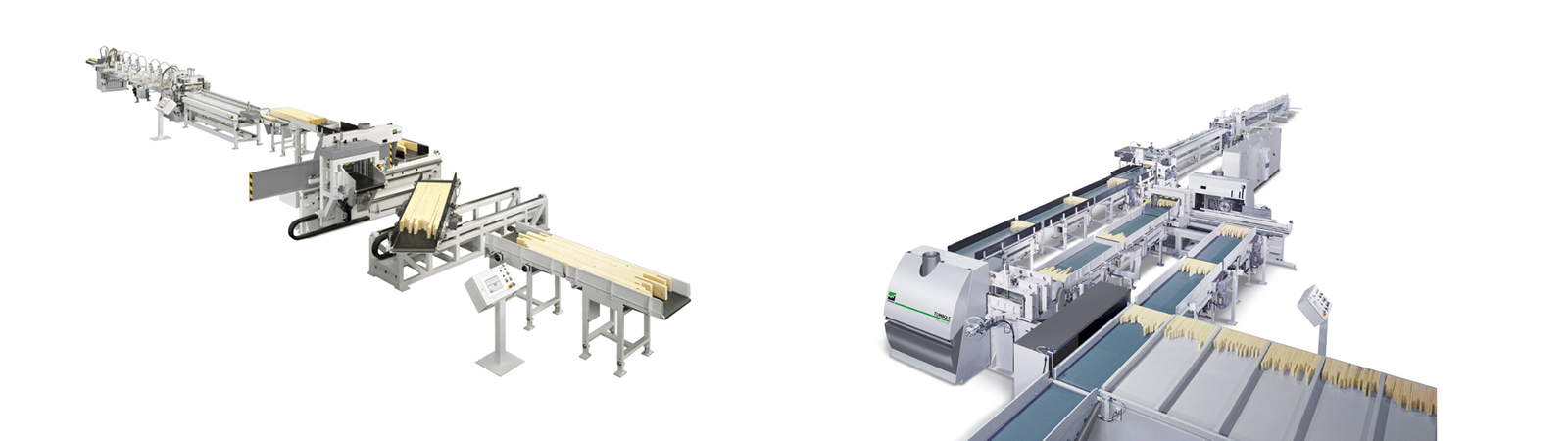
Advanced finger joint technology from WEINIG designed for precision joining of timber lengths with minimal material loss. Complete production line solutions for laminated wood, plywood, CLT, and construction timber applications.
WEINIG's Series Finger Joint Technology is a CNC-driven production system engineered to execute precision finger jointing operations for end-grain timber joining. The machine creates interlocking finger patterns that bond wood lengths together, enabling the production of longer boards, edge-glued panels, and structural laminated elements from shorter timber stock with superior joint integrity. The Series represents the mechanically most stable approach to finger jointing within industrial wood processing, delivering repeatability and dimensional accuracy across production runs. The system is designed for closed-loop operations with minimal manual intervention, integrating automated stock handling, precision tool control, and quality monitoring to reduce joint failure rates and material waste. This architecture supports production of finger joint blanks destined for laminated veneer lumber (LVL), cross-laminated timber (CLT), and other engineered wood products where joint strength is critical. The technology serves manufacturers processing timber from 40mm to 250mm widths and varying lengths, with capability to handle both softwoods and engineered blanks. The system minimizes kerf loss and off-cut waste through optimized feed paths and tool geometry, reducing material consumption per linear meter of joined timber compared to traditional scarf or lap jointing methods. Operational costs are controlled through extended tool life, consistent first-pass join rates, and reduced glue line variability. WEINIG's Series finger joint systems are positioned for industrial production environments operating 16–24 hour shifts, supporting output volumes from 500–5000+ linear meters daily depending on configuration. The technology differentiates itself through thermal stability of the mechanical structure, which maintains tolerances across extended production windows, and modular design allowing integration into existing production lines for retrofit or new-build scenarios.