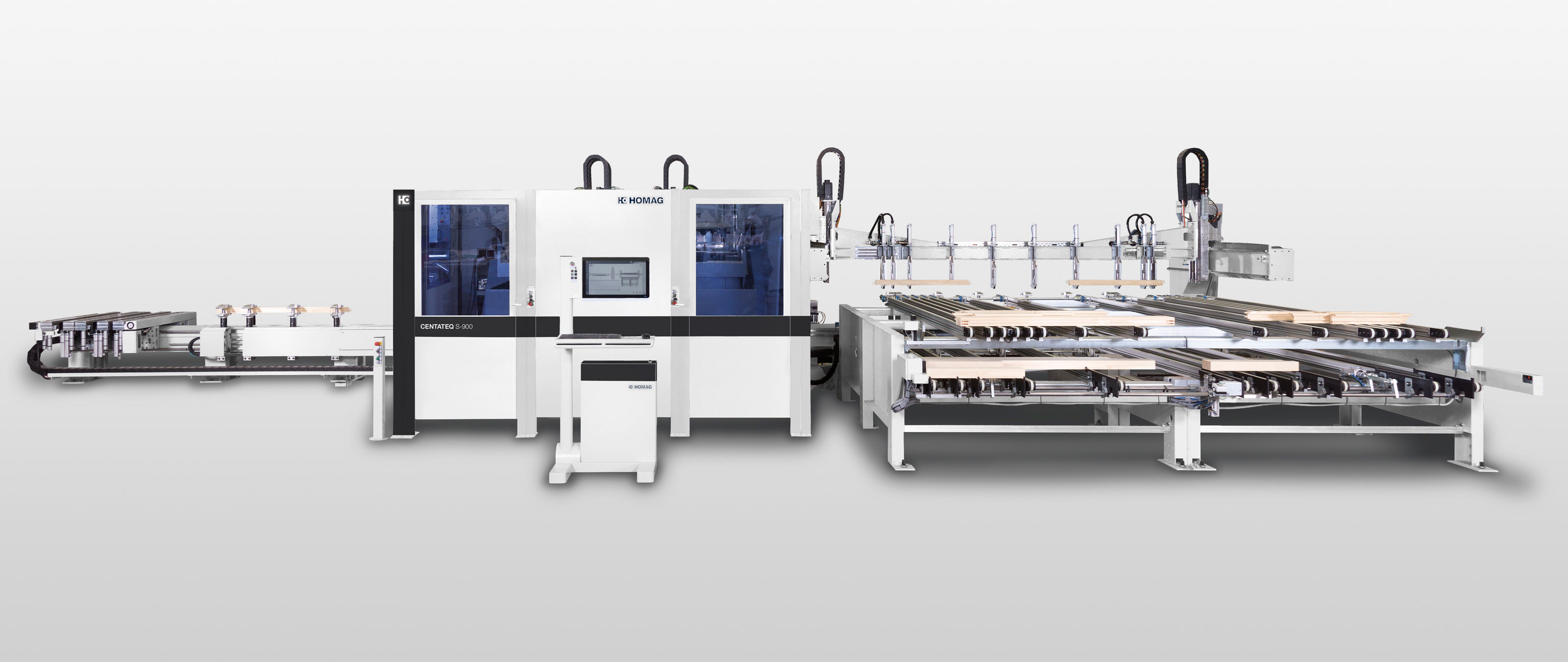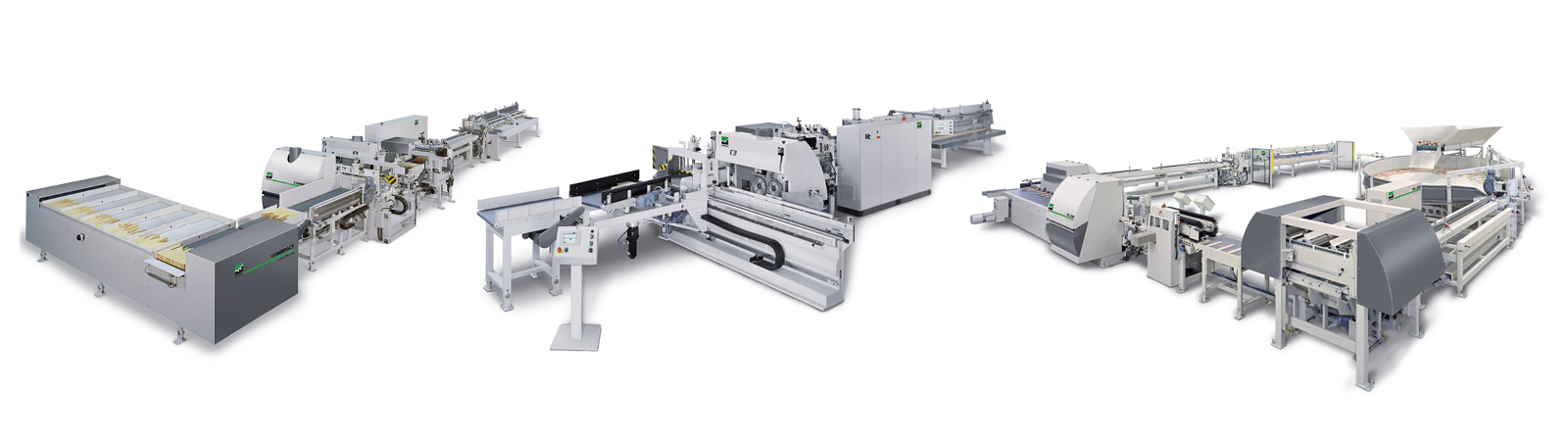
Weinig Finger Jointing Line
A flexible modular finger jointing line system for producing high-quality solid wood panels and window scantlings. Available in multiple performance classes from entry-level to high-performance horizontal models.
The Weinig Finger Jointing Line is a modular production system designed to join solid wood pieces end-to-end using precision finger jointing technology, enabling manufacturers to create longer, defect-free solid wood panels and window scantlings from shorter timber stock. The system accommodates wood entry lengths both below and above 1,000 mm, with configurable performance classes ranging from entry-level SOLID JOINT PS 2000 through high-throughput HS200 models, allowing operators to match machine capability to production volume and material specifications. Key technical differentiation lies in the system's modular architecture and multiple performance tier options. Users can select from five distinct performance classes—SOLID JOINT PS 2000, Ultra, CombiPact, Turbo-S, HS120, and HS200—each optimized for different production speeds and output requirements. The optional GlueEye visual inspection system integrates automated quality control, detecting joint alignment and surface defects in real-time to ensure consistent panel integrity across production runs. This flexibility eliminates the need for oversized equipment when production volumes don't demand maximum throughput. The finger jointing line serves woodworking operations ranging from small custom millwork shops to large industrial panel manufacturers. It is particularly suited for producers working with solid hardwood and softwood species who need to convert short, irregular timber lengths into specification-grade material for furniture frames, window/door components, and construction-grade panels. The system's ability to process variable wood dimensions makes it ideal for operations that work with reclaimed timber, lower-grade stock, or material optimization programs seeking to reduce waste. Within the finger jointing equipment class, the Weinig system competes on configurability rather than single-speed dominance. By offering entry-level through industrial-grade models within one product family, manufacturers avoid premature capital expenditure while retaining the option to upgrade performance without replacing the entire line, a significant advantage for growing operations or those with seasonal production variability.