WEINIG SOLID CUT TF 2000 Series
A high-precision cross-cutting saw series that optimizes cutting patterns to maximize material recovery and value. Features integrated defect detection and finger-jointing capabilities with up to 8 wood quality classifications.
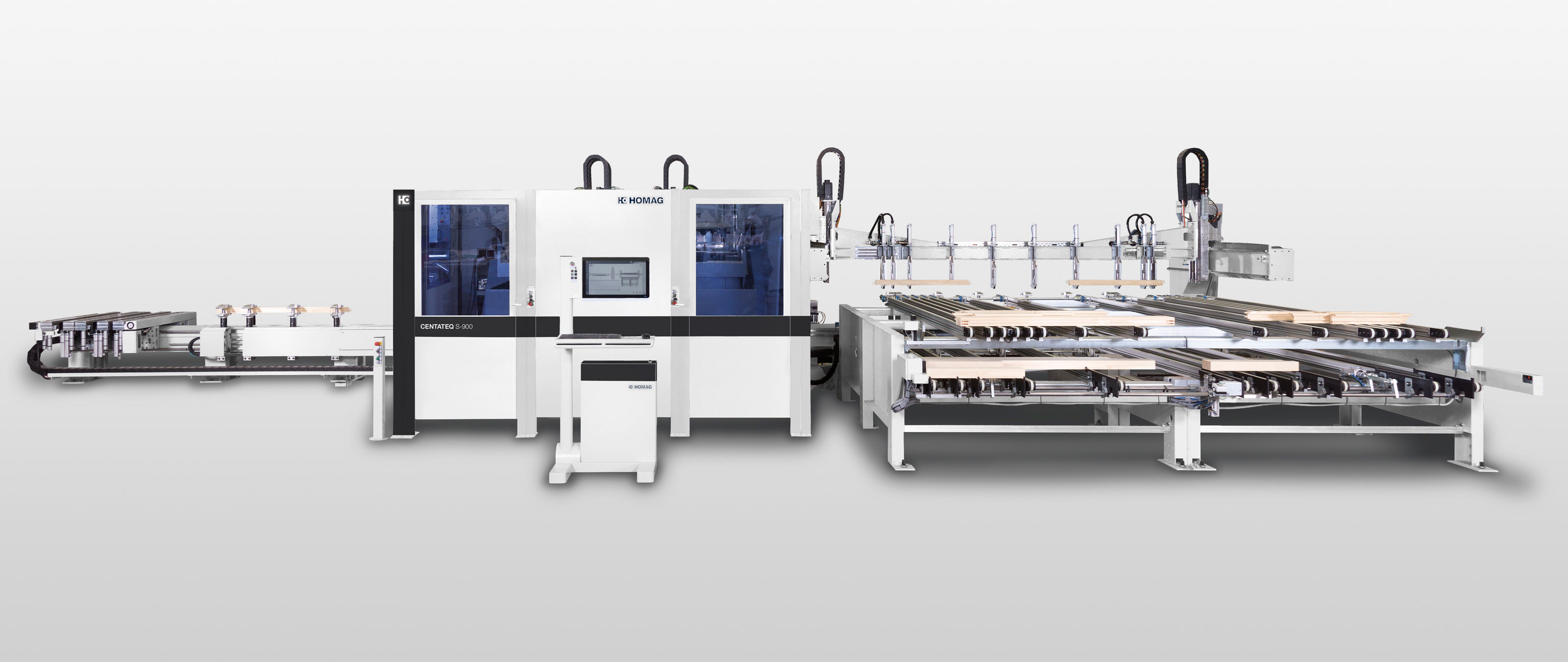
The WEINIG SOLID CUT TF 2000 Series is a CNC-controlled cross-cutting saw system engineered for high-precision lengthwise processing of solid wood and engineered lumber. It combines automated defect detection with real-time optimization algorithms to calculate optimal cutting patterns from input stock, minimizing waste and maximizing recoverable length combinations directly against customer cutting lists. The system integrates machine vision-based defect scanning that identifies knots, checks, and discoloration before the cutting head engages, allowing the controller to dynamically adjust cut sequences and suppress defective sections. The proprietary nesting algorithm evaluates multiple viable length combinations from available fixed lengths, solving the cutting-list problem mathematically rather than manually, which substantially reduces kerf loss and off-spec material. The platform supports finger-jointing operations as a secondary function, enabling value recovery from shorter stock segments that would otherwise be discarded. The TF 2000 Series targets medium to industrial-scale operations processing 5,000+ linear meters monthly of solid wood or laminated stock. It is designed for sawmills, finger-joint manufacturers, and primary processors converting hardwood or softwood logs and cant material into dimensioned inventory and finished blanks. The system operates efficiently in continuous or batch modes, supporting both fixed-length inventory optimization and made-to-order cutting lists from architectural millwork and furniture supply chains. Within its class, the SOLID CUT TF 2000 distinguishes itself through integrated defect avoidance rather than post-cut sorting, reducing labor-intensive grading steps downstream. The combination of real-time image analysis and constraint-based optimization delivers recovery rates typically 3–5% higher than manual or simple sequential cutting methods, translating to material cost savings that justify the capital investment in 18–24 months for high-throughput facilities.