WEINIG SOLID SCAN 2000 Series
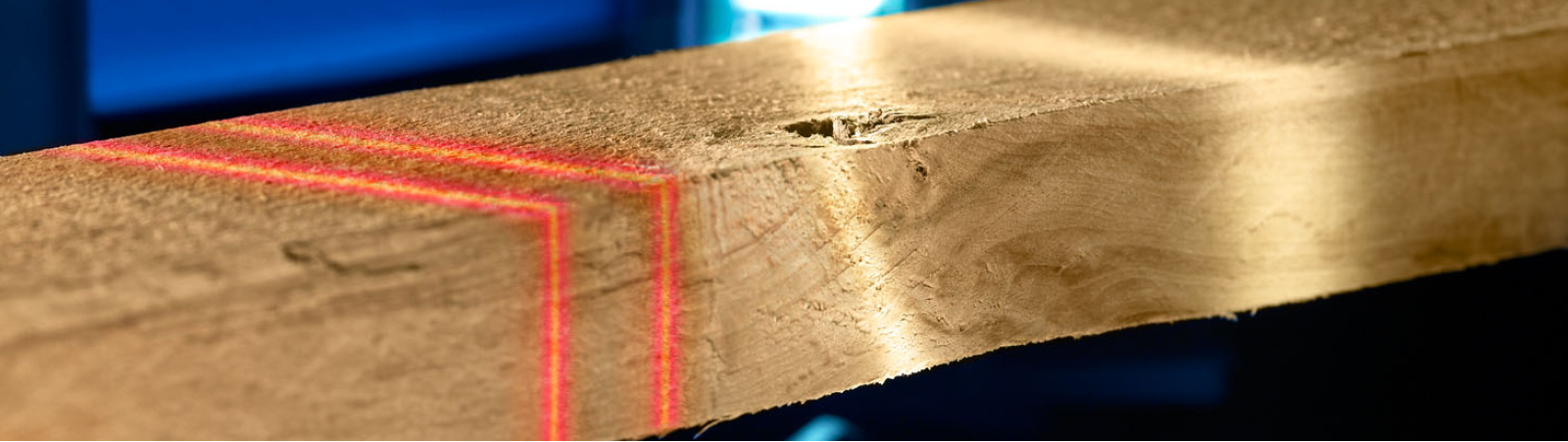
Advanced wood optimization solution featuring scanner technology for defect detection via camera and laser. Delivers improved value creation, consistent product quality, and increased profitability through ultra-efficient cutting optimization.
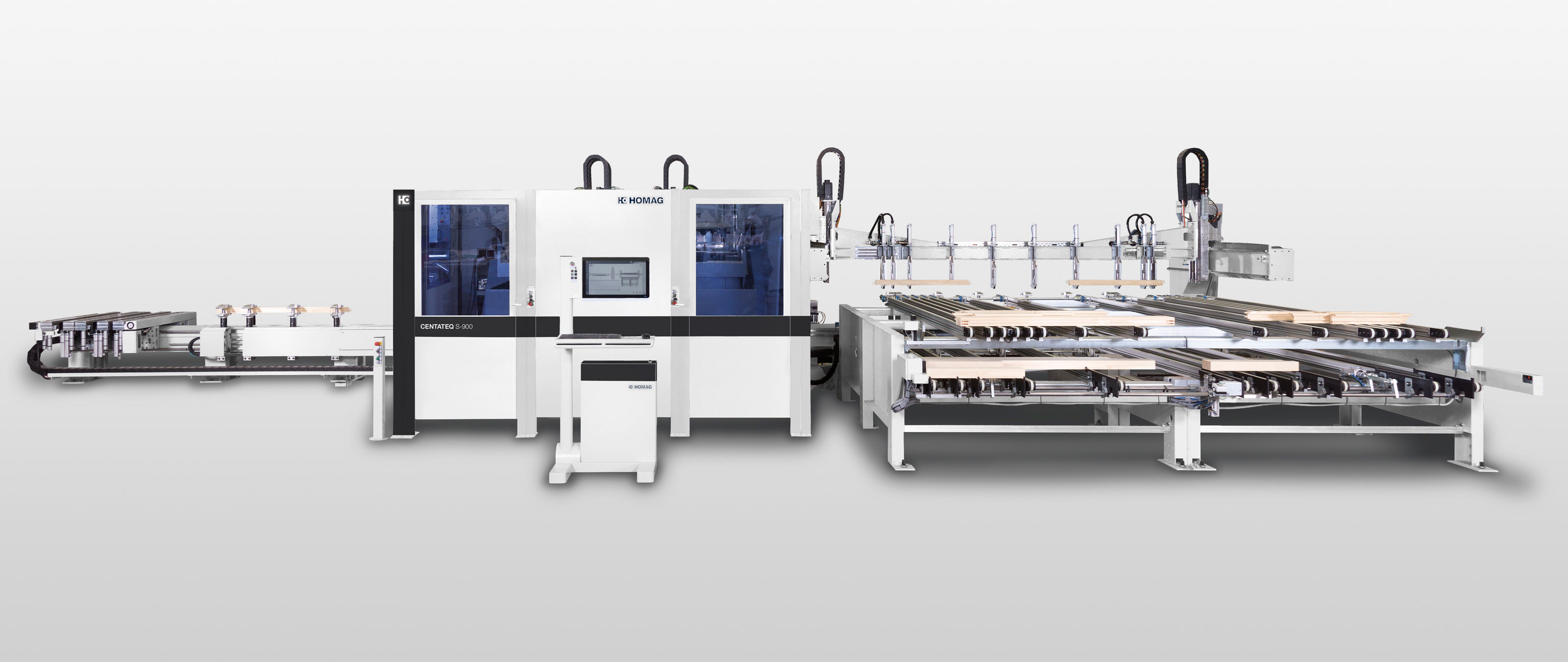
The WEINIG SOLID SCAN 2000 Series is an integrated CNC optimization system designed for automated defect detection and value maximization in solid wood processing. At its core, the machine combines real-time scanner technology with precision machining capabilities to identify internal and surface defects before material enters production, enabling operators to make instantaneous cutting decisions that preserve usable wood and eliminate waste. The system leverages dual-sensor technology incorporating both camera and laser-based detection to capture comprehensive material profiles. This integrated approach allows the machine to analyze wood characteristics across multiple planes, generating accurate defect maps that feed directly into CNC tool paths. By automating the material evaluation process—traditionally a manual, time-intensive operation—the SOLID SCAN 2000 reduces human error and enables consistent part-to-part quality that manual grading cannot achieve. The scanner data integrates seamlessly with downstream machining operations, optimizing feed rates and tool selection based on detected material properties. The WEINIG SOLID SCAN 2000 Series targets mid-to-large scale solid wood processors operating at production volumes where material yield directly impacts profitability. This includes cabinet manufacturers, architectural millwork shops, solid wood furniture producers, and timber construction suppliers processing hardwoods and softwoods in widths and lengths typical of European and North American markets. The system is engineered for operations processing 20+ cubic meters daily where defect-driven material loss or quality rework creates measurable cost impact. Within its class of intelligent wood optimization centers, the SOLID SCAN 2000 distinguishes itself through integrated scanner-to-spindle workflow automation that eliminates intermediate material handling steps. Competing systems often require separate scanning stations or manual material transfer; this platform's unified design reduces setup time and improves throughput by maintaining continuous processing flow from detection through machining.