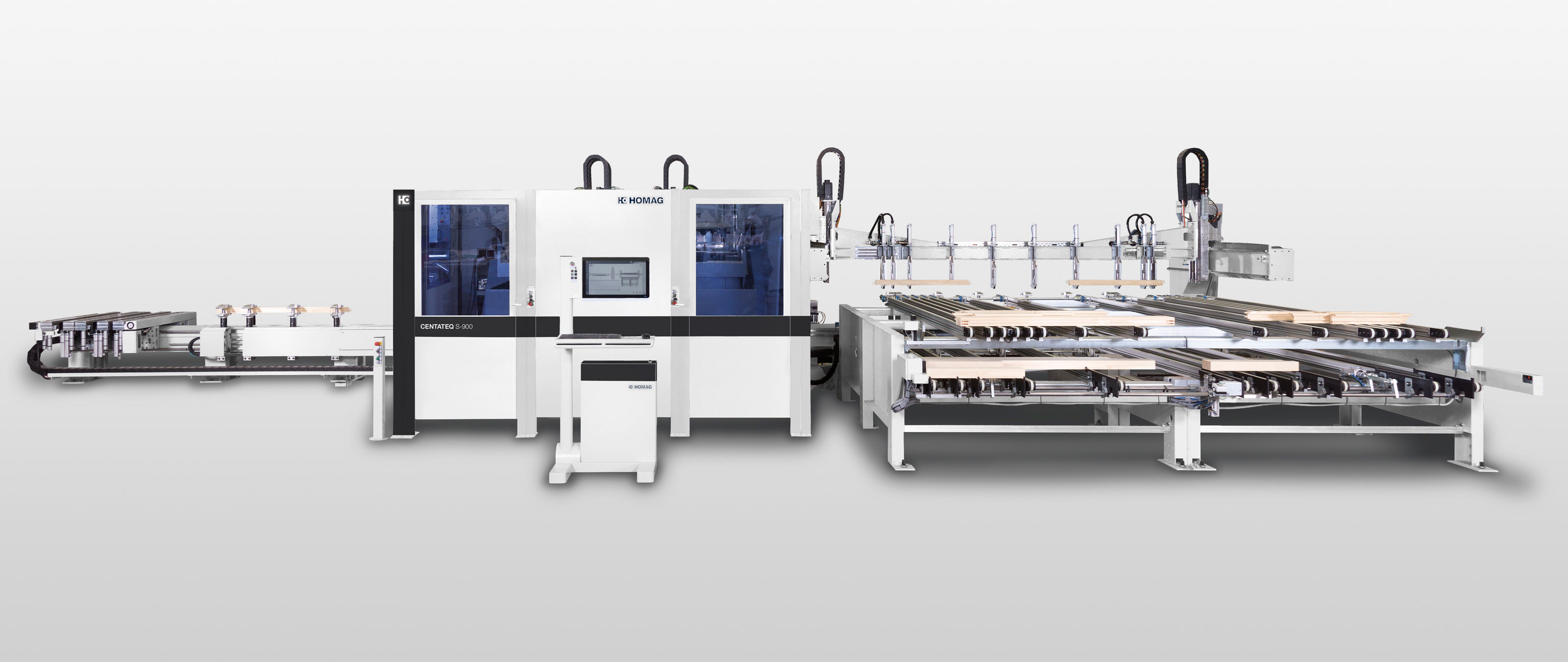
WEINIG SOLID SCAN 4000
High-end wood scanning system with modular sensor technology for optimal detection of wood features and production optimization. Integrates with WEINIG sawing and sorting systems to enable customized, efficient production control.
The WEINIG SOLID SCAN 4000 is a high-performance wood scanning and material detection system engineered for raw material optimization in industrial sawing and sorting operations. It functions as an inline quality control and sorting intelligence platform, capturing detailed geometric and material data on logs and lumber to enable real-time processing decisions and maximize yield from each piece of raw material. The system employs a modular sensor architecture that can be configured with laser cameras, color imaging sensors, X-ray technology, and specialized measurement modules depending on production requirements. This flexibility allows mills to detect internal defects, grain structure, moisture variations, and dimensional anomalies simultaneously, transmitting actionable data directly to downstream WEINIG sawing and sorting equipment. The modular design enables operators to scale sensing complexity from basic dimensional scanning to advanced defect mapping without complete system replacement. The SOLID SCAN 4000 is designed for industrial-scale operations processing high-volume raw material streams, including large sawmills, dimension lumber producers, specialty timber processors, and integrated wood products manufacturers. It is deployed in production chains handling both softwood and hardwood species, serving facilities with continuous or batch production models running multiple shifts. The system addresses operations where material waste reduction, yield optimization, and downstream equipment synchronization directly impact profitability. Within its class of inline scanning systems, the SOLID SCAN 4000 distinguishes itself through sensor modularity and real-time integration with WEINIG's proprietary optimization algorithms. This closed-loop approach—where scan data directly influences cutting patterns and sorting decisions—differentiates it from standalone measurement systems, enabling integrated material flow optimization rather than simple detection.