Altendorf Panel Processing Solutions
Altendorf offers high-precision panel processing machinery including format circular saws and edge banding machines for professional woodworking. Scalable solutions ranging from manual to CNC systems for growing businesses.
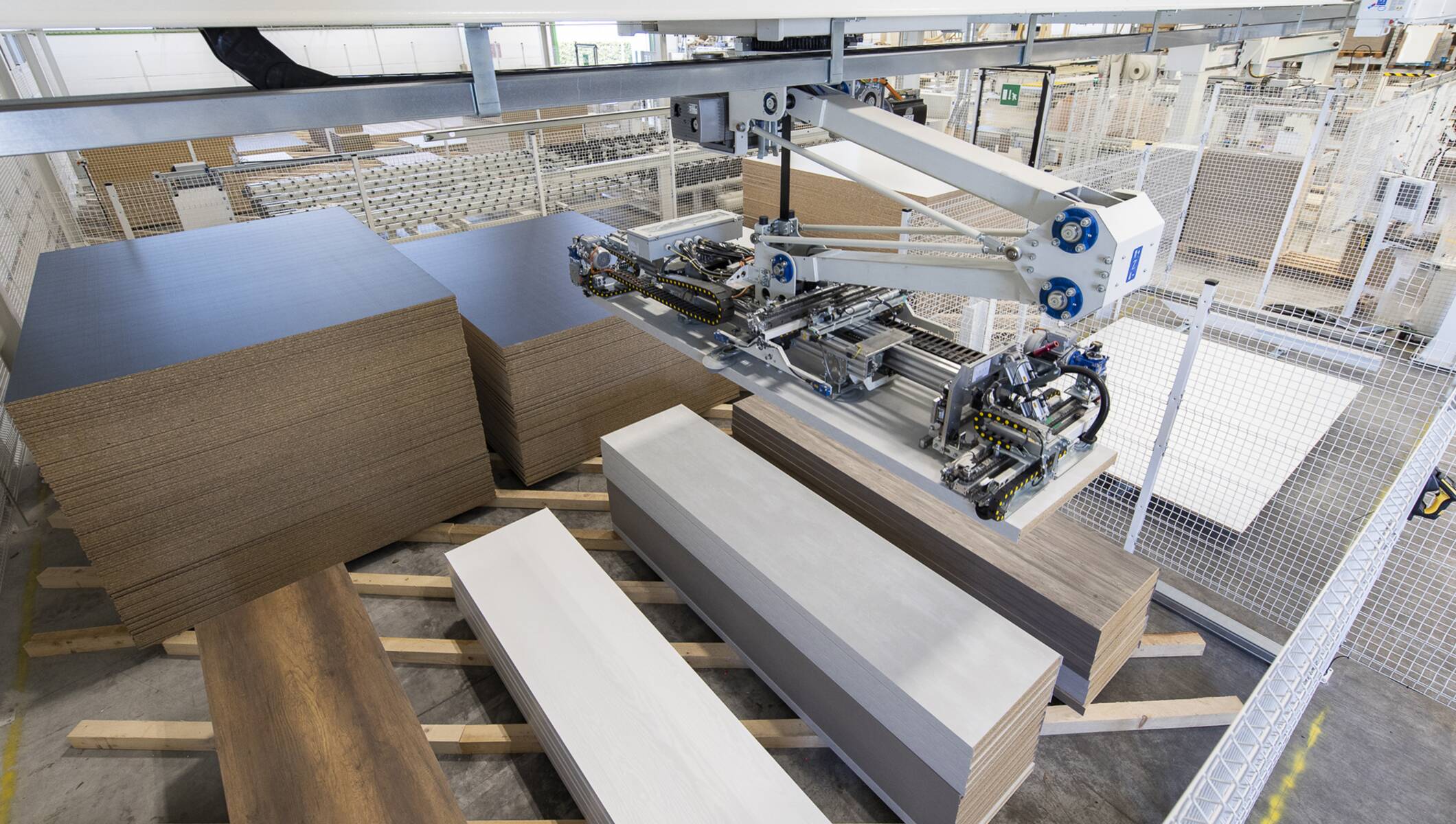
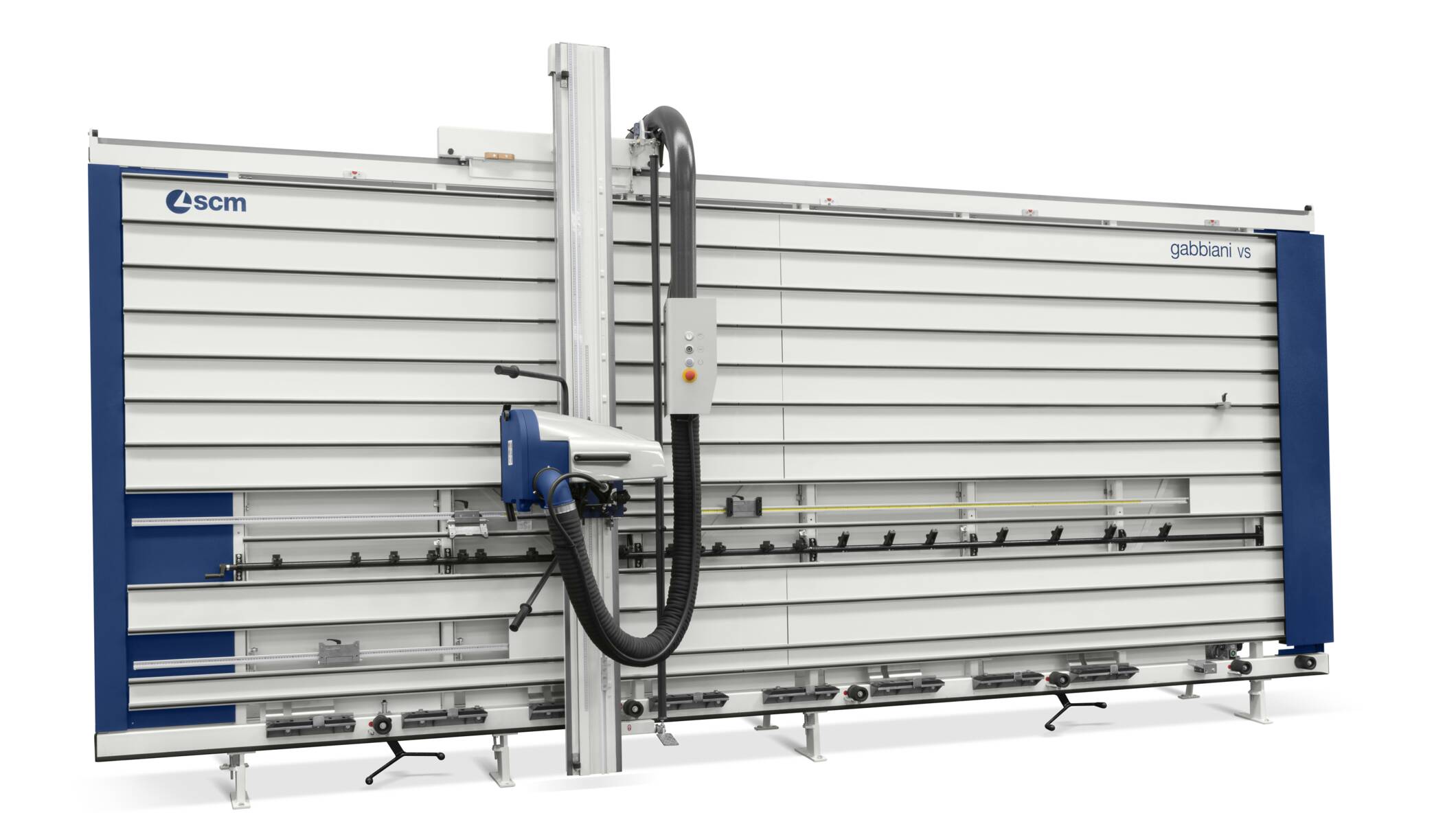
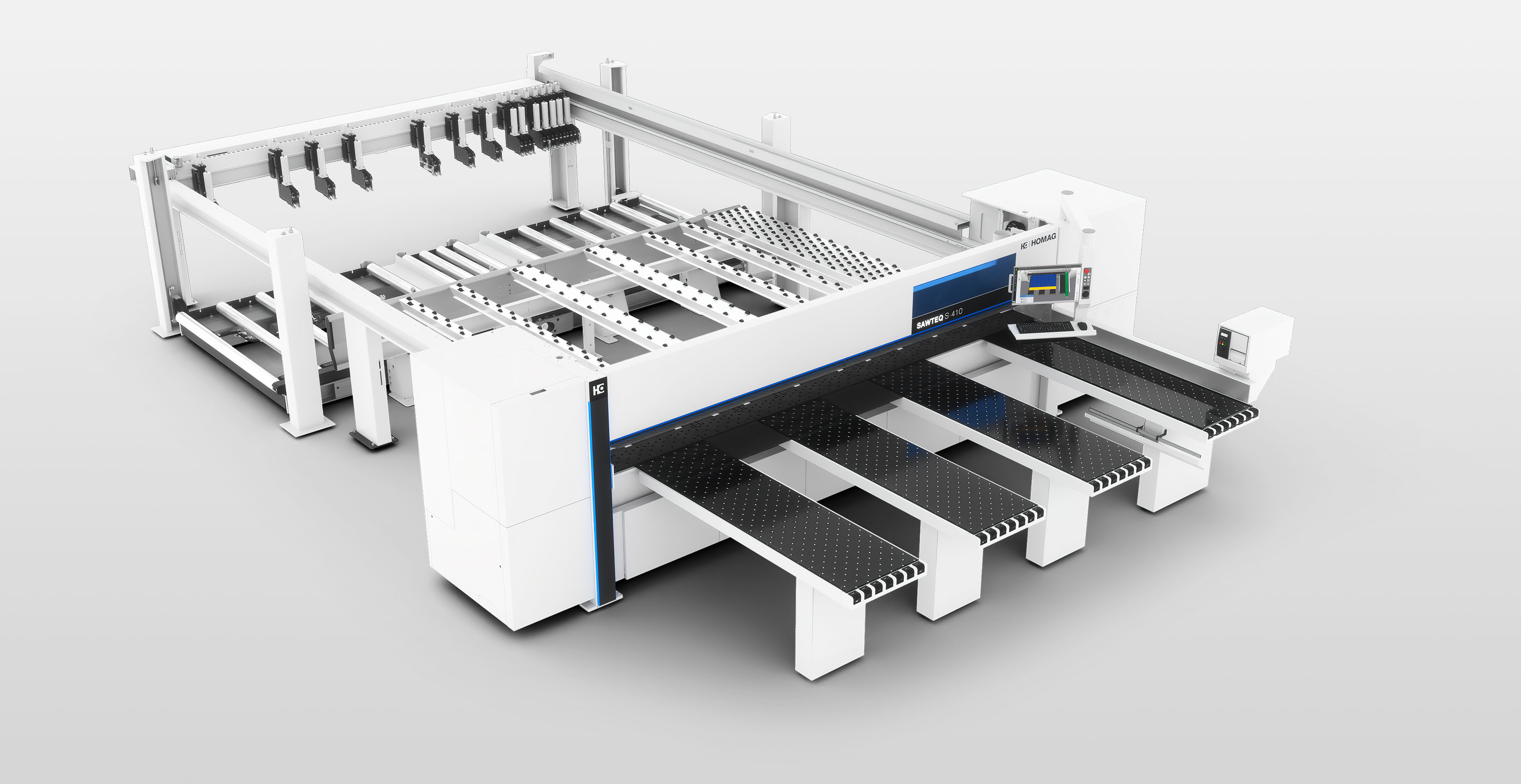
Altendorf Panel Processing Solutions represent a class of high-precision format circular saws and edge banding machinery engineered for dimensionally accurate crosscutting, ripping, and edge treatment of sheet materials in professional woodworking environments. These machines form the backbone of panel-based production workflows, delivering repeatability and surface quality critical for cabinet components, furniture panels, and architectural millwork. The Altendorf product line distinguishes itself through precision fence systems, automated material handling interfaces, and modular CNC integration capabilities that accommodate both manual operator-driven workflows and fully automated production sequences. Format saws in this category typically feature adjustable blade angles, multiple fence positions, and integrated dust collection to maintain tolerance stacks across high-volume runs. Edge banding equipment offers synchronized feed systems with temperature-controlled adhesive application and pneumatic or mechanical edge trimming, enabling single-pass finishing of veneer or edge banding onto substrate panels. These solutions address workshops and manufacturing facilities processing sheet goods at volumes ranging from 50–500+ panels daily. Primary users include medium-sized cabinet shops, kitchen and bath manufacturers, furniture producers working with plywood or MDF substrates, and industrial facilities producing components for construction, retail fixtures, or OEM assembly. The scalable architecture allows shops to start with manual operation and upgrade pneumatic or CNC control as production demands increase. Within the format saw and edge banding category, Altendorf competes through build quality, aftermarket support, and backward compatibility of accessory systems across model generations. Operators benefit from established safety interlocks, straightforward maintenance access, and integration with digital measuring systems that reduce kerf waste and setup time—factors that justify the premium positioning in this segment.