LOOPTEQ C-500
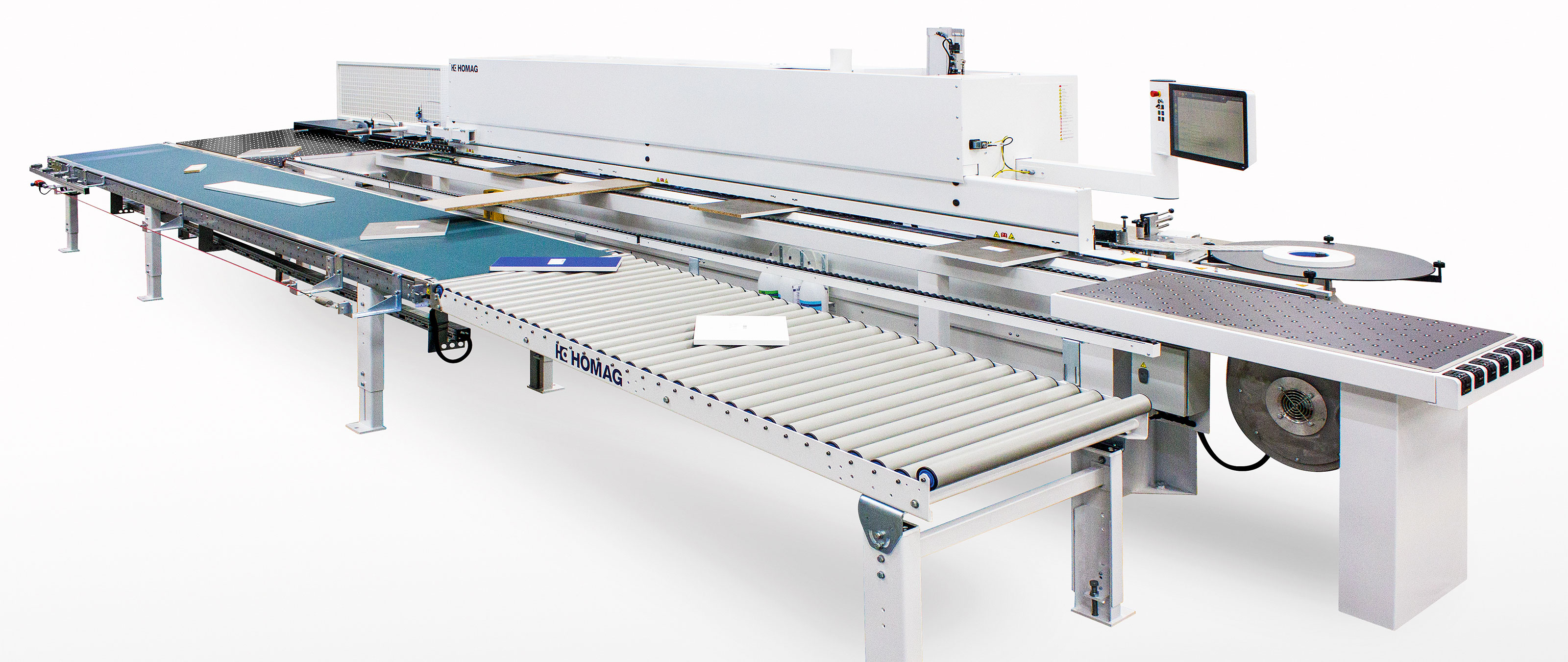
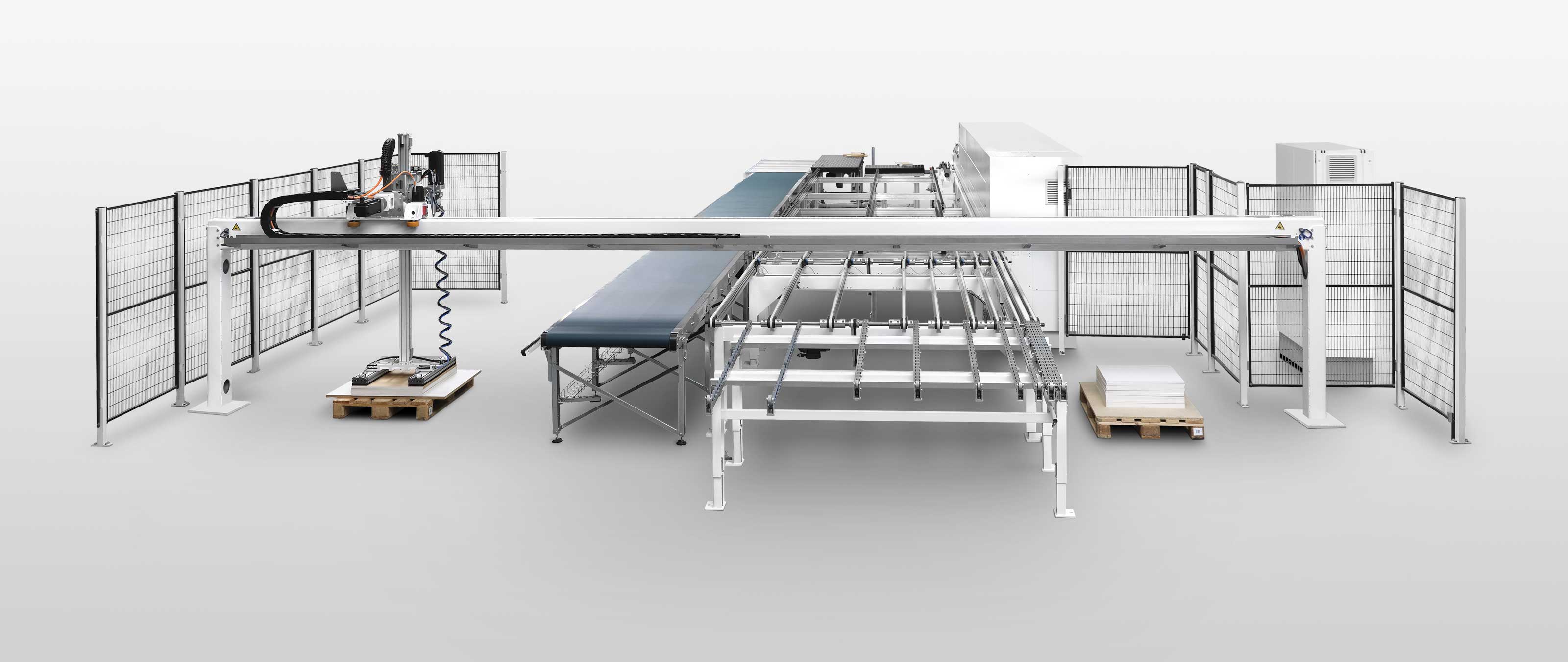
Return conveyor system for automated workpiece transport and positioning in woodworking production lines. Enables variable part positioning with high precision and up to 100% output increase through dual workpiece handling.
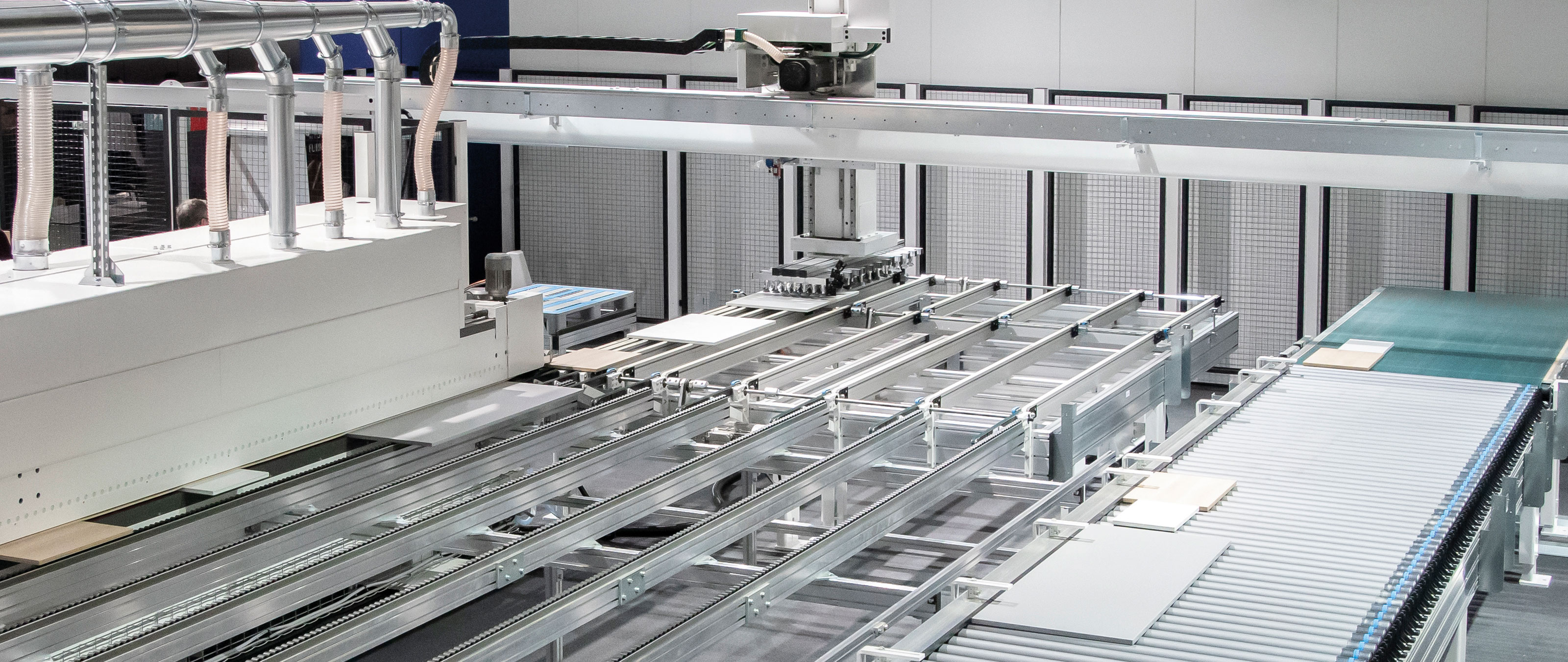
The LOOPTEQ C-500 is an automated return conveyor and positioning system engineered to seamlessly integrate downstream of dimensioning and edge processing machines in high-speed woodworking production lines. It functions as a precision workpiece handler, managing pick-up, transport, and deposit operations with variable positioning in three axes (longitudinal, transverse, and rotational), enabling continuous flow automation without manual intervention. The system achieves maximum repeatability and flexibility through its advanced positioning capabilities, handling workpieces between 240–3,000 mm in length and 120–1,200 mm in width, with thicknesses from 12–50 mm and individual weights up to 50 kg. Operating at a maximum throughput of 15 cycles per minute, the C-500 supports both single-sided and 4-sided processing workflows, making it compatible with varied production sequences. Its modular integration design allows placement at critical junctures in the production chain—such as between edge banding and dimensioning stages or as a return loop for re-entry processing. This system is designed for medium to industrial woodworking operations producing high-volume panel goods, cabinet components, and engineered wood products. Operations requiring consistent part positioning for multi-stage processing—such as laminated edge profiles, veneered panels, or components requiring secondary face milling—benefit most from the C-500's precision handling. The machine is ideal for shops running 2-3 shift production with output targets exceeding 1,000 parts per day, where labor-intensive manual positioning creates bottlenecks. Within its product class, the C-500 distinguishes itself through integrated 3-axis positioning rather than fixed-path conveyance, reducing downstream handling requirements and enabling dynamic workflow routing. This capability typically delivers a 30–100% throughput increase depending on production layout and part complexity, making it a cost-justified automation step for batch runs and continuous production schedules.
Side by side, on real specs