WEINIG SOLID SCAN 2000 Series
CNC Machining Centers — Weinig Group
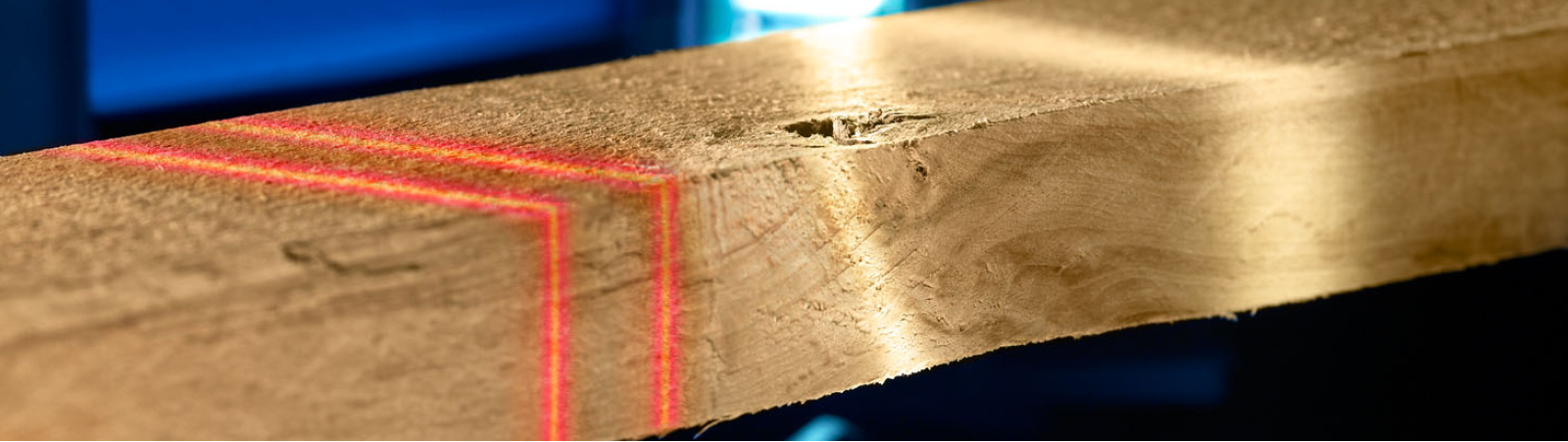
Advanced wood optimization solution featuring scanner technology for defect detection via camera and laser. Delivers improved value creation, consistent product quality, and increased profitability through ultra-efficient cutting optimization.
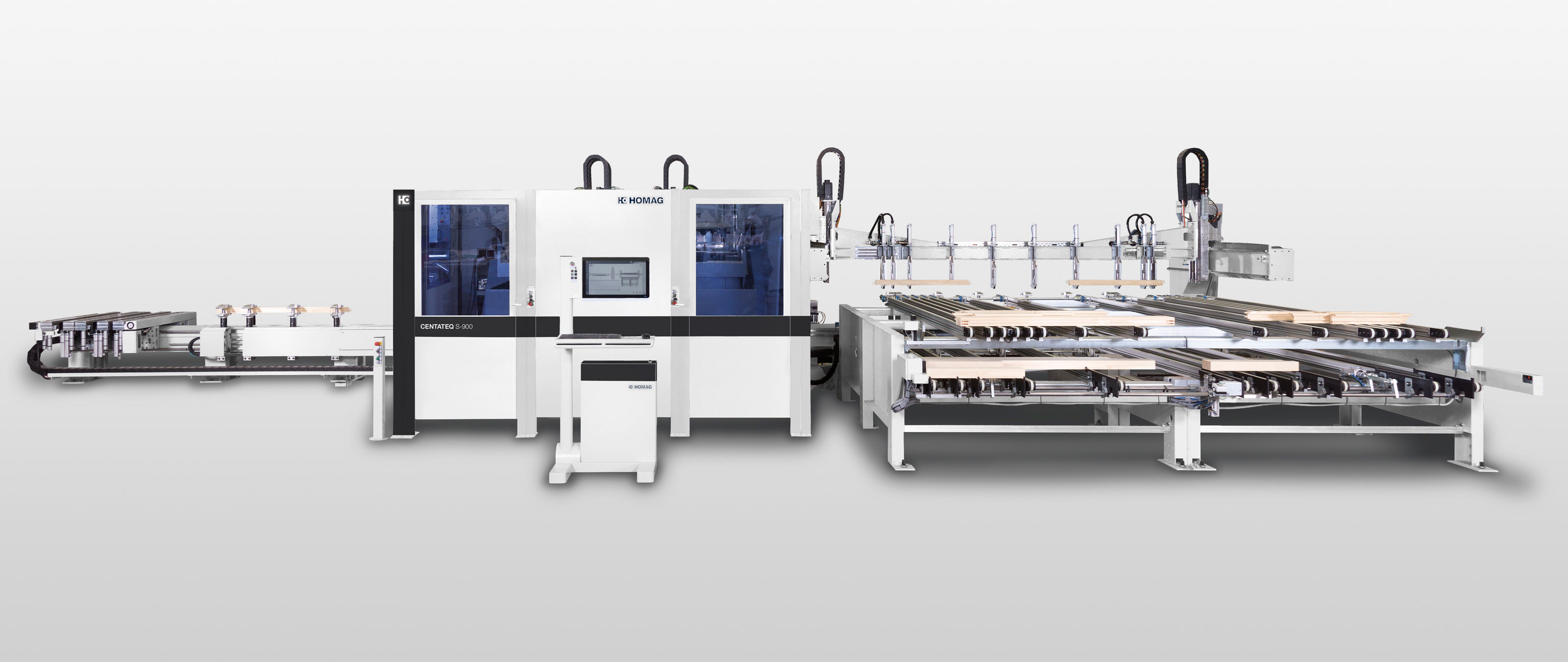
The WEINIG SOLID SCAN 2000 Series is an integrated CNC optimization system designed for automated defect detection and value maximization in solid wood processing. At its core, the machine combines real-time scanner technology with precision machining capabilities to identify internal and surface defects before material enters production, enabling operators to make instantaneous cutting decisions that preserve usable wood and eliminate waste.
The system leverages dual-sensor technology incorporating both camera and laser-based detection to capture comprehensive material profiles. This integrated approach allows the machine to analyze wood characteristics across multiple planes, generating accurate defect maps that feed directly into CNC tool paths. By automating the material evaluation process—traditionally a manual, time-intensive operation—the SOLID SCAN 2000 reduces human error and enables consistent part-to-part quality that manual grading cannot achieve. The scanner data integrates seamlessly with downstream machining operations, optimizing feed rates and tool selection based on detected material properties.
The WEINIG SOLID SCAN 2000 Series targets mid-to-large scale solid wood processors operating at production volumes where material yield directly impacts profitability. This includes cabinet manufacturers, architectural millwork shops, solid wood furniture producers, and timber construction suppliers processing hardwoods and softwoods in widths and lengths typical of European and North American markets. The system is engineered for operations processing 20+ cubic meters daily where defect-driven material loss or quality rework creates measurable cost impact.
Within its class of intelligent wood optimization centers, the SOLID SCAN 2000 distinguishes itself through integrated scanner-to-spindle workflow automation that eliminates intermediate material handling steps. Competing systems often require separate scanning stations or manual material transfer; this platform's unified design reduces setup time and improves throughput by maintaining continuous processing flow from detection through machining.
Applications
custom millwork
medium workshopArchitectural millwork shops use the SOLID SCAN 2000 to grade solid wood components for custom architectural elements—crown molding, baseboard, casing, and specialty trim. The integrated scanner detects knots, checks, and color variation invisible to the human eye, allowing the CNC to automatically adjust cutting patterns and optimize component yield from premium hardwood stock. This capability is critical when producing high-value architectural pieces where visible defects are unacceptable and material cost represents 40-60% of product cost.
cabinet making
industrial workshopCabinet manufacturers operating batch production of face frames, raised panels, and door components rely on the SOLID SCAN 2000 to maintain consistent quality across large orders while maximizing yield from premium hardwood blanks. The laser and camera detection systems identify defects in rough lumber before CNC dimensioning, enabling the machine to automatically route around flaws and optimize panel layout. For shops producing 500+ cabinet sets monthly, this defect-driven optimization recovers 8-15% additional usable material compared to manual grading.
solid wood furniture production
industrial workshopSolid wood furniture manufacturers producing tabletops, chair components, and case goods use the SOLID SCAN 2000 to grade and optimize raw lumber before edge-joining and machining operations. The integrated detection system allows automatic rejection or rerouting of material with internal checking or stain that would compromise final appearance. This is particularly valuable in high-mix production environments where different species and grades flow through the same machining center, requiring flexible, automated material assessment.
timber construction
industrial workshopTimber frame and CLT producers use the SOLID SCAN 2000 to evaluate large-section solid wood components for structural integrity and appearance-grade applications. The laser-based defect mapping identifies knots, voids, and grain anomalies that affect structural performance, while the camera system assesses surface quality for exposed members. Automated scanning at high throughput allows these producers to segregate and optimize material for different end uses—structural vs. appearance—without manual intervention.



Register Your Interest
This product isn't available in your market yet. Register your interest and we'll notify you when a local partner is available.
We're expanding to your market soon. Register your interest and be the first to know when local support becomes available.